|
|
|
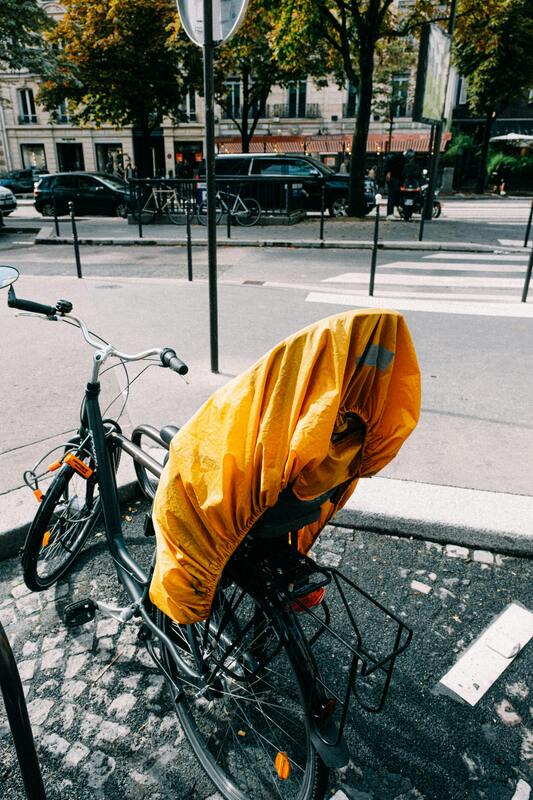
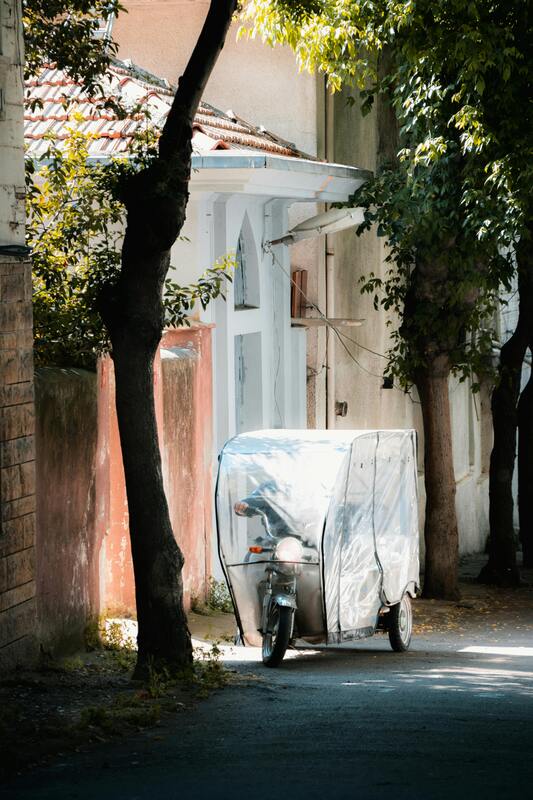
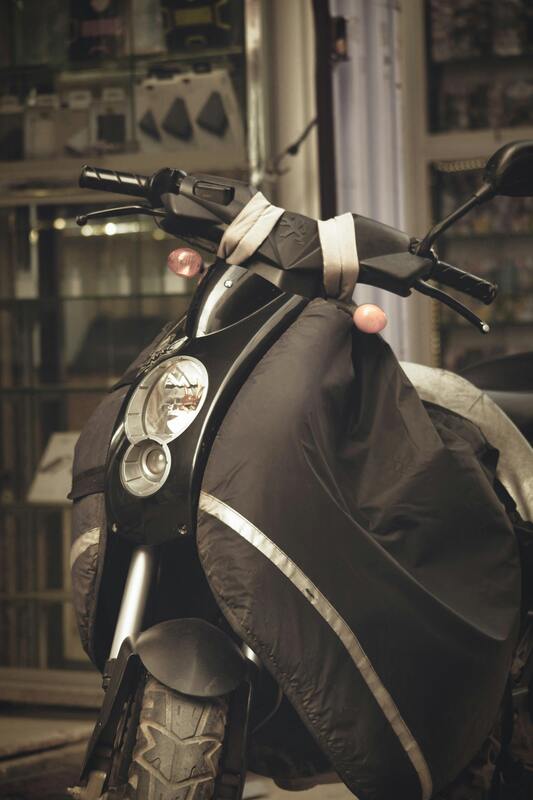
A bike cover box – sometimes called a motorcycle shelter, bike storage tent, or enclosure box – is there to keep your motorcycle, scooter, or bicycle safe from weather, theft, and getting beat up.
**1. What it Does**
Basically, it:
* Guards your ride from rain, sun, snow, dust, and wind.
* Stops rust by cutting down on wetness.
* Saves your paint from sun damage.
* Helps your battery and tires last by blocking sunlight.
* Hides your bike, making it less likely to get stolen.
* Keeps things looking tidy.
**2. Types of Boxes**
* **Soft Shell (Fabric):** Made of waterproof stuff like polyester. These are light, easy to fold up, and move around. Great if you need something quick or don't have a lot of space.
* **Hard Shell (Tough):** Made of hard plastic, fiberglass, or metal. These are stronger and harder to steal from. They can stay outside all the time. Some have locks or lift-up arms.
* **Hybrid:** A mix of a metal or plastic frame with a fabric cover. It’s a good middle ground between being strong and easy to move. Good for home use.
**3. What They're Made Of**
| Part | What It's Made Of | Why |
| ----------- | ----------- |----------- |
| Frame | Steel, aluminum | Strong and won't rust |
| Cover | PVC, tough cloth, polyester | Keeps water out; blocks sun |
| Base | Plastic, metal, concrete | Flat to sit on |
| Hinges/Arms | Stainless steel, alloy | No rust and lasts long |
**4. Weather Protection**
* Waterproof stuff or tight seams.
* Blocks UV rays.
* Air vents to stop moisture from building up.
* Straps to keep it from blowing away.
* Angled roofs so water runs off.
**5. Security**
* Locks you can use.
* Strong frame and hinges that are hard to mess with.
* Ways to bolt it to the ground or a wall.
* Some work with disc locks or alarms.
**6. Size**
Measure your bike and get a box that fits:
* Length: Give yourself about 8-12 inches extra.
* Width: Make sure there’s space for mirrors and handlebars.
* Height: Needs to clear the windscreen.
Common sizes:
* Small: About 6.5 x 3 x 4 feet (for scooters, little bikes)
* Medium: About 7.5 x 3.3 x 4.6 feet
* Large: About 8.9 x 3.6 x 5.2 feet (for bigger bikes)
**7. How to Set It Up**
* Pick a flat spot (like concrete).
* Put the frame together.
* Put on the cover.
* Bolt it down if you need to.
* Make sure it opens okay.
* Add lights if you want.
**8. How to Keep It Up**
* Wash the cover every month with soap and water.
* Oil the hinges every few months.
* Look for rips or rust.
* Make sure it has air flow so mold doesn't grow.
* Clear off snow in the winter.
**9. Making It Your Own**
* Lights (solar or battery).
* Fans to control humidity.
* Reflective tape.
* Floor mats.
* Wheel blocks to hold the bike steady.
**10. Think About the Environment**
* Pick materials that can be recycled.
* Avoid cheap plastic covers.
* Get fabrics that are weather-certified.
**11. How Much They Cost**
| Type | Price (USD) |
| ------------------------- | ----------- |
| Fabric/Tent Type | \$40 – \$150 |
| Hybrid (Frame + Fabric) | \$120 – \$300 |
| Hard Shell/Lockable Box | \$250 – \$1000+ |
(Prices change depending on quality, size, and what it comes with.)
**12. The Good and Bad**
| Good | Bad |
| -------------------------- | ------------------------ |
| Keeps weather off your bike | Takes up space |
| Can move it or leave it | Some are heavy |
| Makes it harder to steal | Need to keep it clean |
| Bike lasts longer | Can get wet inside |
**13. Who Should Get One?**
* People in apartments.
* Folks who park outside.
* People storing bikes for the winter.
* Travelers or collectors.
* Parking lots.
**1. What it Does**
Basically, it:
* Guards your ride from rain, sun, snow, dust, and wind.
* Stops rust by cutting down on wetness.
* Saves your paint from sun damage.
* Helps your battery and tires last by blocking sunlight.
* Hides your bike, making it less likely to get stolen.
* Keeps things looking tidy.
**2. Types of Boxes**
* **Soft Shell (Fabric):** Made of waterproof stuff like polyester. These are light, easy to fold up, and move around. Great if you need something quick or don't have a lot of space.
* **Hard Shell (Tough):** Made of hard plastic, fiberglass, or metal. These are stronger and harder to steal from. They can stay outside all the time. Some have locks or lift-up arms.
* **Hybrid:** A mix of a metal or plastic frame with a fabric cover. It’s a good middle ground between being strong and easy to move. Good for home use.
**3. What They're Made Of**
| Part | What It's Made Of | Why |
| ----------- | ----------- |----------- |
| Frame | Steel, aluminum | Strong and won't rust |
| Cover | PVC, tough cloth, polyester | Keeps water out; blocks sun |
| Base | Plastic, metal, concrete | Flat to sit on |
| Hinges/Arms | Stainless steel, alloy | No rust and lasts long |
**4. Weather Protection**
* Waterproof stuff or tight seams.
* Blocks UV rays.
* Air vents to stop moisture from building up.
* Straps to keep it from blowing away.
* Angled roofs so water runs off.
**5. Security**
* Locks you can use.
* Strong frame and hinges that are hard to mess with.
* Ways to bolt it to the ground or a wall.
* Some work with disc locks or alarms.
**6. Size**
Measure your bike and get a box that fits:
* Length: Give yourself about 8-12 inches extra.
* Width: Make sure there’s space for mirrors and handlebars.
* Height: Needs to clear the windscreen.
Common sizes:
* Small: About 6.5 x 3 x 4 feet (for scooters, little bikes)
* Medium: About 7.5 x 3.3 x 4.6 feet
* Large: About 8.9 x 3.6 x 5.2 feet (for bigger bikes)
**7. How to Set It Up**
* Pick a flat spot (like concrete).
* Put the frame together.
* Put on the cover.
* Bolt it down if you need to.
* Make sure it opens okay.
* Add lights if you want.
**8. How to Keep It Up**
* Wash the cover every month with soap and water.
* Oil the hinges every few months.
* Look for rips or rust.
* Make sure it has air flow so mold doesn't grow.
* Clear off snow in the winter.
**9. Making It Your Own**
* Lights (solar or battery).
* Fans to control humidity.
* Reflective tape.
* Floor mats.
* Wheel blocks to hold the bike steady.
**10. Think About the Environment**
* Pick materials that can be recycled.
* Avoid cheap plastic covers.
* Get fabrics that are weather-certified.
**11. How Much They Cost**
| Type | Price (USD) |
| ------------------------- | ----------- |
| Fabric/Tent Type | \$40 – \$150 |
| Hybrid (Frame + Fabric) | \$120 – \$300 |
| Hard Shell/Lockable Box | \$250 – \$1000+ |
(Prices change depending on quality, size, and what it comes with.)
**12. The Good and Bad**
| Good | Bad |
| -------------------------- | ------------------------ |
| Keeps weather off your bike | Takes up space |
| Can move it or leave it | Some are heavy |
| Makes it harder to steal | Need to keep it clean |
| Bike lasts longer | Can get wet inside |
**13. Who Should Get One?**
* People in apartments.
* Folks who park outside.
* People storing bikes for the winter.
* Travelers or collectors.
* Parking lots.